Discover how optimized, move-in ready kitchens help food operators in Fort Worth reduce certain operating costs, increase efficiency, and scale delivery operations with consistent profit growth
Fort Worth is a rapidly growing market with strong delivery demand and an engaged audience. To capture this potential, it is essential to have a well-equipped kitchen capable of handling orders quickly and consistently.
This article explores how ready-to-use private kitchens can deliver greater efficiency and cost control. You’ll find a roadmap to improve operational efficiency and margins, and take full advantage of the Fort Worth market.
Cost Optimization in Fort Worth: How to Improve Margins
Fort Worth’s food scene is expanding rapidly, with nearly 700 new restaurants opening each year. The city combines diversity, high consumer spending, and strong delivery demand, particularly among students and young professionals.
Local commercial kitchens are designed to meet this dynamic demand, offering access to downtown and flexible layouts suited to a variety of business models. Many units feature private walk-in coolers and different kitchen sizes, allowing restaurants of all types to find the right configuration.
Another advantage is the average order size, around US$ 26, which increases revenue per delivery. With high demand and strong profit potential, Fort Worth has become a prime location for expanding delivery operations, making it easier to launch a rentable commercial kitchen in TX.
In a competitive environment, optimizing costs and reducing operational bottlenecks is key to sustainable growth. Below are practical ways to reduce investment, lower fixed costs, and operate more efficiently.
Reducing Initial Investment
Opening a traditional restaurant in the area requires renovations, licenses, and equipment, with costs that can easily reach hundreds of thousands of dollars. Choosing a commercial kitchen rental in Fort Worth reduces that figure to thousands, freeing capital for marketing, technology, and growth.
By choosing a licensed, ready-to-use space, entrepreneurs can bypass lengthy steps such as blueprint approvals and inspections, allowing operations to start faster with lower financial risk.
This flexibility also makes it easier to test new concepts or virtual brands without committing large sums to real estate, providing a safer and more agile way to grow in Fort Worth’s competitive market.
In the U.S., the ghost kitchen sector, which consists of delivery-focused kitchens without dine-in, reached US$ 98 billion in 2025 and is projected to approach US$ 3 billion by 2032, growing at 62% per year.
Avoiding Front-of-House Costs
Operating a traditional dining space brings hidden expenses such as salaries, training, turnover, and ongoing maintenance. By focusing solely on delivery, these costs disappear, streamlining operations. Avoided costs include:
- Salaries and benefits for servers and hosts.
- Staff training and retention.
- Furniture, décor, and dining area cleaning.
- Security and maintenance of public areas.
Without a front-of-house team, fixed expenses are lower, and space requirements shrink, reducing energy and rent costs. The result is a leaner, more profitable operation in any food delivery hotspot in TX.
Focusing on Energy Efficiency and Shared Maintenance
Managing maintenance, cleaning, and security is often one of the biggest operational challenges and costs. With a kitchen that includes these services, variable and unpredictable expenses are converted into smaller, controllable fixed costs.
This reduces concerns about equipment failures, third-party contracts, or unexpected emergencies. Preventive maintenance and continuous support keep the kitchen compliant and operational at all times.
With this solid foundation, chefs can focus entirely on the product, refining menus and improving the customer experience. The result is a more efficient, sustainable operation ready for consistent growth.
Read more: Finding the right commercial kitchen space: A guide for catering businesses
Practical Strategies to Maximize Profitability
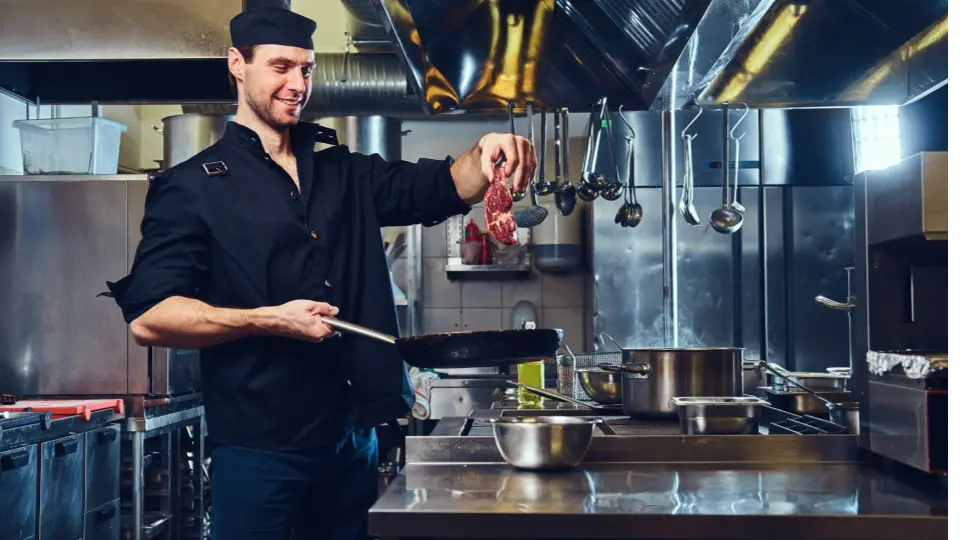
Profitability in delivery is not just about selling more; it is about selling smarter. Small operational adjustments can generate significant gains without major investments. In Fort Worth’s competitive environment, mastering these strategies is essential to stand out.
By implementing these practices, restaurants can reduce waste, improve efficiency, and increase profit margins. Below is how to turn a delivery operation into a predictable, high-performing revenue engine.
Optimizing Your Delivery Menu
Success begins with a strategic menu. In Fort Worth, where demand is high and competition is intense, simplifying the menu and adjusting prices based on cost and preparation time can improve profitability.
Using customer feedback and order history helps identify popular combinations among the local audience. This creates a faster, more consistent operation with controlled costs, providing:
- Reduced ingredient use and faster preparation.
- Higher margins from high-turnover dishes.
- A more consistent customer experience.
Efficient Team Training and Allocation
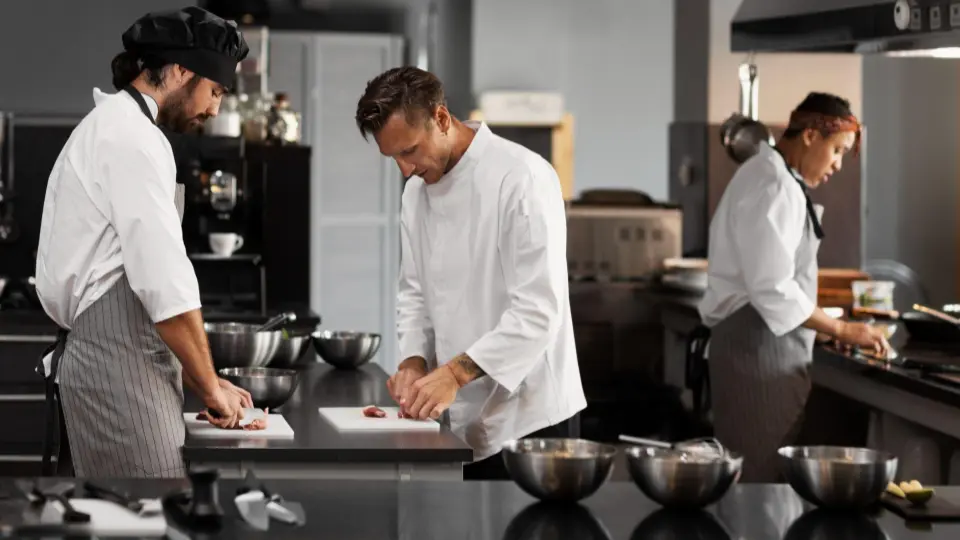
A well-trained team is one of the most valuable assets in any commercial kitchen. Targeted training reduces errors and increases productivity, and every minute saved in prep time allows for more orders to be fulfilled.
Intelligent allocation also makes a difference. Focusing staff on critical roles like cooking and packaging while automating secondary tasks improves workflow and reduces reliance on large teams, delivering:
- Less rework and ingredient waste.
- Greater capacity during peak hours.
- Lower turnover and hiring costs.
Peak Time Planning
High-volume periods require precise planning and demand anticipation. Consumer behavior can vary across neighborhoods and times of day, so adjusting operations accordingly helps maintain efficiency.
Historical data and forecasting tools help prepare the right amount of ingredients and staff, preventing delays and waste. The result is a consistent experience during peak periods, bringing:
- Fewer delays and cancellations.
- Smarter use of resources and time.
- Increased customer satisfaction and loyalty.
Integration with Multiple Delivery Platforms
Managing multiple delivery apps can be challenging. Technology integration allows restaurants to handle orders from different platforms on a single dashboard, reducing errors and optimizing workflow.
Centralized operations provide visibility into performance, delivery rates, and best-selling items, enabling quick, data-driven decisions. Benefits include:
- Fewer communication errors and delays.
- Real-time performance monitoring.
- Higher order volume without operational overload.
How Technology Optimizes Your Sales
Centralized management, full platform integration, and proximity to high-demand areas allow operators to focus on growth while the operational side is streamlined.
By combining data and intelligence, technology provides control, clarity, and scalability. Managing one or multiple brands becomes more efficient, setting the stage for rapid growth.
Centralized Order Management
Handling multiple delivery apps can be confusing. A centralized order hub allows all platforms to be managed in a single interface. No more switching between tablets or manually entering orders, as everything syncs automatically, reducing errors and delays.
This unified flow provides real-time visibility, identifies trends, and allows rapid response to demand shifts. The dashboard consolidates sales, profits, brands, and locations in one place. Advantages include:
- Manage all delivery apps on a single tablet.
- Track sales and profits in a unified dashboard.
- Easily add new platforms and brands.
- Access established delivery brands to reach new audiences.
Strategic Location to Reach Delivery Hotspots in Fort Worth
Delivery success depends on location. Fort Worth kitchens are strategically positioned near high-demand areas, including over 10,000 students at TCU, helping businesses be close to where orders occur.
Designed for both student and urban delivery markets, kitchens feature flexible layouts for different culinary concepts, enabling operators to:
- Serve Fort Worth’s busiest delivery zones.
- Reduce delivery times and increase repeat orders.
- Use ready-to-go kitchens adaptable to their business.
Real-Time Data for Smart Menu Decisions
Knowing what and when to sell is crucial for profitability. Real-time data allows operators to adjust menus based on actual performance.
These insights optimize pricing, portions, and promotions while reducing waste. A data-driven operation enables restaurants to:
- Track menu performance by time and area.
- Identify high-margin items and remove low performers.
- Use predictive data for planning launches and campaigns.
The global food delivery market continues to grow at an annual rate above 10% and is expected to reach US$ 500 billion by 2030. Leveraging technology positions operators to capture an increasing share of this expanding sector.
Read more: Top 5 commercial kitchen layout ideas to maximize efficiency
How to Profit Faster with Delivery in Fort Worth
Understanding ROI is essential for any delivery operation. Strategic location and ready infrastructure help achieve profitability faster and more predictably. With integrated technology and local support, operators avoid common bottlenecks that typically slow ROI in traditional setups.
Unmatched Order Logistics and Fulfillment
A dedicated local team manages the order flow from processing to courier dispatch, supporting speed, accuracy, and consistency, which is critical for ratings and customer retention.
Optimized logistics allow restaurants to maintain pace during peak times, increasing on-time deliveries. Components include:
- Optimized order processing for faster preparation.
- Quick courier check-in to reduce waiting time.
- Contactless pickup for safety and efficiency.
Low-Risk Scalability
Opening a traditional restaurant can take months, including construction, licensing, and setup. With ready-to-use kitchens, a launch can occur in just a few weeks, depending on local permits and operational complexity.
This speed reduces time to first revenue and allows testing new concepts with lower financial risk. Ready infrastructure and expert support enable operators to replicate success in multiple locations predictably, providing an ideal model for restaurant expansion in Fort Worth.
Turn Your Kitchen into a Sustainable Profit Machine
Fort Worth is a dynamic market for delivery operations, offering a robust, connected consumer base. Optimized infrastructure, integrated technology, and predictable costs turn every order into real profit while maintaining efficiency and quality.
Now is the time to take the next step: schedule a tour or speak with a specialist to see how this setup can accelerate growth and results in Fort Worth.
DISCLAIMER: This information is provided for general informational purposes only and the content does not constitute an endorsement. CloudKitchens does not warrant the accuracy or completeness of any information, text, images/graphics, links, or other content contained within the blog content. We recommend that you consult with financial, legal, and business professionals for advice specific to your situation.