Build repeat customers, not just repeat orders, with targeted, high-ROI delivery promotions your audience can’t resist.
Attracting customers to order once is relatively easy. Turning those customers into regular buyers is where most delivery businesses face their real challenge. In highly competitive markets, restaurants must go beyond simple discounts and create experiences that make customers want to return again and again.
Smart delivery promotions play a key role in this process. When planned strategically, promotions help restaurants strengthen relationships with their audience, reward loyal behavior, and encourage customers to order more frequently.
Instead of relying on short-term sales spikes, effective promotional strategies build habits that lead to consistent demand.
This article explores practical strategies for creating promotions that increase retention, strengthen customer loyalty in food service, and drive sustainable delivery growth.
Why Delivery Promotions Matter for Loyalty
Promotions are often associated with quick discounts designed to generate immediate sales. However, when used strategically, they can become powerful tools for building long-term relationships with customers.
Well-structured food delivery offers can increase order frequency, raise average order value, and strengthen emotional connections with a brand.
In loyalty-focused strategies, promotions are designed not only to attract customers but also to reward continued engagement over time.
When restaurants combine delivery promotions with customer retention strategies, they move beyond transactional marketing and create recurring purchase incentives that drive sustainable growth.
The psychology behind repeat purchases
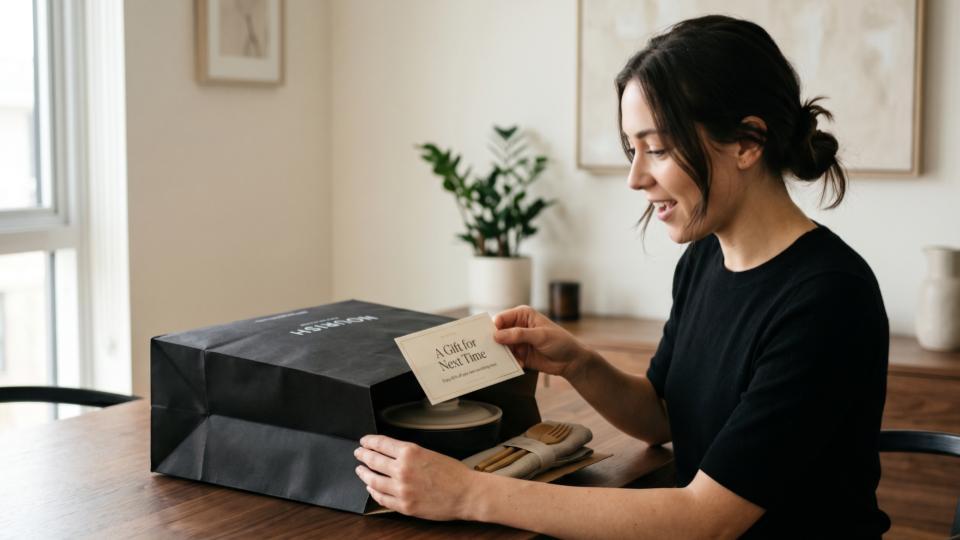
Customers are more likely to return when they feel rewarded for their behavior. Small incentives such as points, free items, or exclusive deals trigger a sense of progress and achievement that encourages repeat purchases.
These loyalty rewards for restaurants work because they create positive reinforcement. Each order brings the customer closer to a reward, increasing the perceived value of staying loyal to a specific brand.
Research cited by Forbes and BIA Advisory Services shows that repeat customers can spend up to 67% more than first-time buyers, and in many industries existing customers generate a large share of overall revenue.
For restaurants, this behavior highlights the importance of investing in loyalty strategies and retention initiatives that encourage customers to return regularly.
Difference between promo-driven customers vs loyal customers
Not all customers who respond to promotions become loyal customers. Some people order only when discounts are available and quickly switch to competitors offering lower prices.
Customers who order mainly because of one-time restaurant delivery discounts often return only when another promotion appears, which makes it difficult to build long-term brand loyalty.
Loyal customers, on the other hand, return because they trust the experience, appreciate the value, and feel recognized by the business.
The goal of effective delivery promo strategies is to gradually convert deal-seekers into repeat customers through consistent value, personalized offers, and loyalty rewards.
KPIs to track for loyalty success
Tracking performance metrics is essential when evaluating whether promotions actually build loyalty.
Key indicators include:
- Repeat purchase rate: percentage of customers who order more than once
- Average orders per customer per month: helps measure order frequency
- Customer churn rate: percentage of customers who stop ordering
- Customer lifetime value (LTV): total revenue generated by each customer
These metrics help restaurants identify which promotions for repeat customers generate long-term engagement rather than temporary sales spikes.
Step-by-Step: Planning Your Delivery Promotions
Creating effective delivery promotions requires a structured approach. Instead of launching random discounts, successful restaurants plan campaigns around clear objectives and measurable results.
Set clear objectives and segment your customers
The first step is defining what you want the promotion to achieve. Some campaigns focus on acquiring new customers, while others aim to increase order frequency or reward loyal buyers.
Customer segmentation makes promotions more relevant and effective. Restaurants can create different offers for first-time buyers, occasional customers, and frequent customers.
For example:
- New customers receive welcome food delivery offers
- Returning customers receive incentives to order again
- High-value customers receive exclusive loyalty rewards
Segmented campaigns help businesses deliver targeted food promotions that match each customer’s behavior.
Choose the right promotion type
Different promotions support different goals. Restaurants can combine multiple strategies depending on their audience and growth stage.
Common promotion formats include:
- Cashback offers
- Loyalty points systems
- Bundle deals or meal combos
- Free delivery incentives
- Time-limited deals
- Referral programs
These promotional marketing tactics for restaurants encourage recurring purchases and increase engagement across digital ordering channels.
Leverage data and personalization
Modern delivery businesses have access to valuable customer data. Order history, frequency, and preferences can be used to create personalized delivery offers that feel relevant and timely.
For example, restaurants may send targeted promotions based on previous purchases or preferred cuisines. Personalized offers also improve digital engagement in food delivery, especially when combined with email and SMS promotions.
Personalization increases conversion rates because customers receive offers that match their interests and ordering habits.
Tactics That Actually Build Loyalty
Simple discounts can generate quick orders, but sustainable loyalty requires more strategic engagement.
Restaurants that focus on customer retention strategies often combine promotions with loyalty programs, community engagement, and recurring incentives.
Loyalty programs vs one-time promotions
One-time discounts may attract customers temporarily, but they rarely build long-term relationships.
A structured loyalty program for delivery encourages customers to return regularly by offering rewards based on cumulative behavior. Points systems, tiered rewards, or milestone bonuses are common examples.
Customers who participate in loyalty programs tend to order more frequently because each purchase brings them closer to a reward.
Social media and referral rewards
Referral campaigns can significantly increase customer loyalty in food service. When satisfied customers share their experience with friends, they create authentic word-of-mouth marketing.
Restaurants can offer rewards such as discounts or bonus points when customers invite others to try their delivery service. Social media campaigns for restaurants amplify this effect by making promotions easy to share.
These strategies turn loyal customers into brand advocates while attracting new audiences organically.
Seasonal and recurring offers
Recurring promotions help establish purchasing habits. Weekly deals, monthly specials, or seasonal menus create anticipation and encourage customers to return.
For example, restaurants may offer:
- Weekly combo promotions
- Monthly loyalty bonuses
- Seasonal menu discounts
These consistent incentives help customers incorporate the brand into their regular ordering routine.
Testing and Measuring Promotion Performance
Even the most creative promotion needs continuous testing and improvement. Restaurants that measure campaign results can refine their strategy and increase long-term effectiveness.
Tools and dashboards that matter
Several tools help track the success of promotional campaigns:
- Google Analytics for traffic and conversion tracking
- CRM systems for customer segmentation
- Order management dashboards for monitoring repeat purchases
These tools allow businesses to evaluate the performance of different delivery promotions and identify which strategies drive repeat orders.
Customer feedback loops
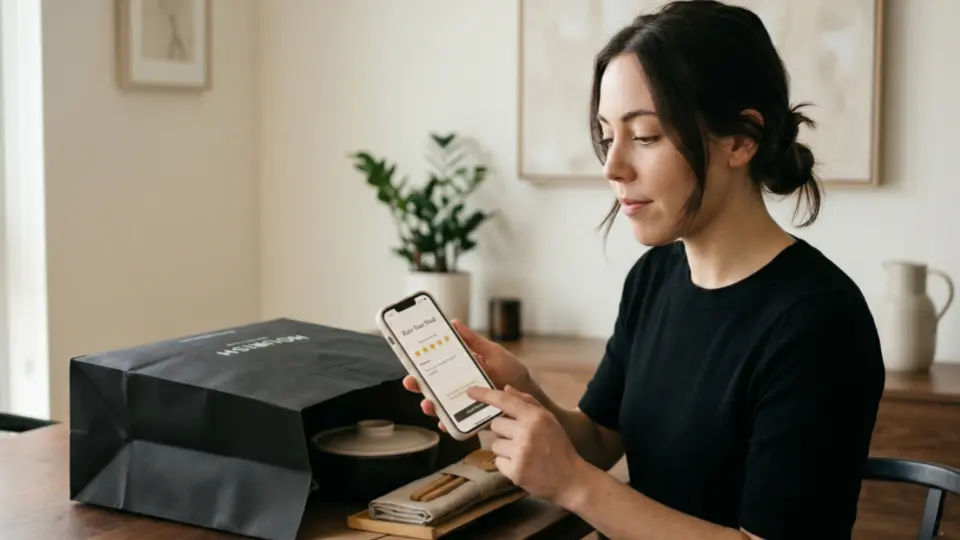
Customer feedback is an important source of insight. Reviews, surveys, and ratings help restaurants understand how customers perceive their promotions.
Feedback also reveals whether promotions feel valuable, confusing, or irrelevant to customers.
By analyzing this feedback, businesses can refine their offers and improve their loyalty rewards for restaurants.
Reinvestment strategies for loyal segments
High-value customers generate a large share of revenue in many businesses. According to research by Bain & Company, repeat customers can spend up to 67% more than new customers, highlighting the long-term value of building strong loyalty strategies instead of focusing only on constant customer acquisition.
For this reason, restaurants often reinvest promotional budgets into their most loyal segments.
Exclusive perks, early access deals, or premium loyalty tiers can strengthen long-term relationships with these valuable customers while encouraging consistent repeat orders.
Turn Your Delivery Promotions into Loyalty Engines
Well-designed delivery promotions do more than increase short-term sales. When aligned with customer retention strategies, they encourage repeat orders, strengthen brand relationships, and transform occasional buyers into loyal customers.
By combining targeted promotions, data-driven personalization, and structured loyalty programs, restaurants can build consistent demand while improving long-term profitability.
If you want to see how delivery-focused infrastructure can support your growth strategy, explore CloudKitchens locations and discover how purpose-built kitchens can help restaurants scale delivery operations more efficiently.
DISCLAIMER: This information is provided for general informational purposes only and the content does not constitute an endorsement. CloudKitchens does not warrant the accuracy or completeness of any information, text, images/graphics, links, or other content contained within the blog content. We recommend that you consult with financial, legal, and business professionals for advice specific to your situation.