Discover how operational culture drives speed, consistency, and profit in high-performance kitchen teams. Learn how to improve your operations today.
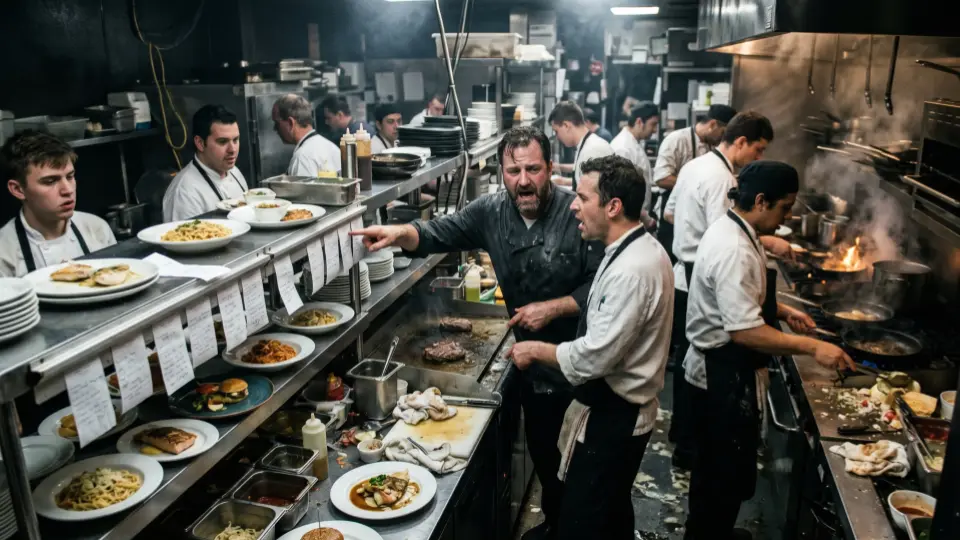
Imagine a chaotic kitchen where tickets continue to pile up, orders are delayed, and tension begins to spread across the entire team. Even with experienced staff in place, execution starts to break down, quality becomes inconsistent, service slows, and mistakes become more frequent.
This scenario is common across food service operations, and it is rarely caused by a lack of talent or effort. Most teams are capable, but they are operating without a system that supports them when pressure increases.
The real issue is operational culture, and most kitchens only recognize its importance when performance begins to decline.
What is operational culture in a kitchen environment?
Operational culture refers to how a kitchen performs during high-pressure moments, shaping the way tasks are executed, decisions are made, and teams coordinate when demand is at its peak.
The difference between culture and operational culture
General culture reflects the values and environment of a workplace, such as caring about quality or teamwork, which helps define how people interact but does not always translate into consistent execution.
Operational culture, on the other hand, focuses on behavior during service, ensuring that every dish follows the same build, every process follows a defined standard, and every team member understands exactly how to perform under pressure.
This level of consistency becomes visible through repeatable behaviors such as:
- Standardized preparation techniques
- Consistent communication protocols
- Predictable station handovers
How behavior turns into repeatable systems
When a behavior consistently produces the desired outcome, it becomes a standard that the entire team adopts, which allows the kitchen to operate with predictability rather than improvisation.
High-performance teams rely on these patterns to maintain quality and speed, using consistent plating, structured workflows, and clear execution steps that allow each team member to anticipate what comes next.
Why kitchens expose weak culture instantly
Unlike office environments, where inefficiencies can remain hidden for long periods, kitchens reveal operational weaknesses immediately, as mistakes impact both the team and the customer in real time.
Pressure exposes communication gaps and process failures, making it clear that culture is not defined by what is discussed in meetings, but by what continues to function during the most intense moments of service.
Read more: The ultimate guide to training your kitchen staff for speed and accuracy
Why most kitchen teams underperform (even with skilled staff)
Most kitchens do not struggle because of a lack of talent, but because there is no structured system guiding execution during critical moments.
Lack of process clarity
When each team member approaches tasks differently, the absence of standardization creates inconsistency in the final product, which leads to rework, delays, and increased operational stress.
Without clear processes, individuals are forced to make decisions independently, often creating misalignment with overall kitchen goals and reducing efficiency during peak service periods.
This lack of structure often results in operational symptoms such as:
- Inconsistent ticket times
- High levels of food waste
- Increased staff turnover
Communication breakdown during peak hours
During high-demand periods, communication becomes more difficult, and without structured systems in place, confusion quickly escalates into mistakes and delays.
The absence of clear communication protocols allows critical information to be lost between stations, which directly impacts kitchen workflow optimization and overall performance.
No real accountability system
When mistakes occur but are not tracked or reviewed, teams lose the opportunity to improve, and the same issues continue to repeat over time.
Without accountability, individuals may not fully recognize how their performance impacts the broader operation, which prevents the development of a high-performance team environment.
According to McKinsey, companies that implement operational excellence and digital transformation initiatives can achieve efficiency gains of up to 30%, depending on the scope and execution of the program.
If your kitchen depends on figuring things out during service, it is already operating at a disadvantage. Explore how a structured system can bring consistency, speed, and control to your kitchen operations.
The core pillars of high-performance kitchen teams
High-performance teams rely on a clear operational foundation that allows them to execute consistently, even during periods of high demand.
Standardization eliminates chaos
When every step of the process is clearly defined, from preparation to plating, the team operates with a shared understanding of expectations, which reduces uncertainty and improves overall flow.
Standardization minimizes the need for constant clarification and allows the kitchen to maintain consistency regardless of volume or complexity.
Speed only matters if it is consistent
Speed alone does not create efficiency, as inconsistent execution often leads to errors that result in rework and customer dissatisfaction.
Consistency allows teams to sustain performance over time and creates the conditions necessary for scaling operations across multiple locations.
Clear roles remove friction
When responsibilities are clearly defined, team members understand exactly what is expected of them, which reduces overlap and prevents unnecessary interruptions.
This clarity enables smoother workflows and allows the kitchen to handle higher volumes with greater confidence.
This structure is reinforced through practices such as:
- Documented recipe builds
- Station-specific checklists
- Clearly defined task hierarchies
How operational culture impacts speed, errors, and profitability
Operational culture directly influences how efficiently a kitchen uses its resources, which has a measurable impact on both performance and profitability.
Faster ticket times increase capacity
When processes are optimized, kitchens can handle a higher number of orders within the same time frame, increasing output without requiring additional labor.
Improved speed also enhances the customer experience, particularly in delivery kitchen operations where timing is critical.
This increased efficiency often translates into:
- Lower cost of goods sold
- Higher average order value
- Improved online ratings
Fewer mistakes reduce waste
Reducing errors leads to better use of ingredients, labor, and time, which directly contributes to margin improvement.
A culture focused on precision ensures that resources are used effectively and that unnecessary waste is minimized.
Consistency drives customer retention
Customers return because they trust the experience they receive, and consistency is what builds that trust over time.
A stable operational output supports customer loyalty and reduces the need for high customer acquisition spending.
Industry reports, including those from Toast Inc., show that technology helps restaurants streamline operations, improve decision-making, and increase efficiency.
High-performing kitchens do not just work faster, they convert efficiency into measurable financial results. See how top operators structure their kitchens to increase output and reduce operational friction.
The role of technology in building operational culture
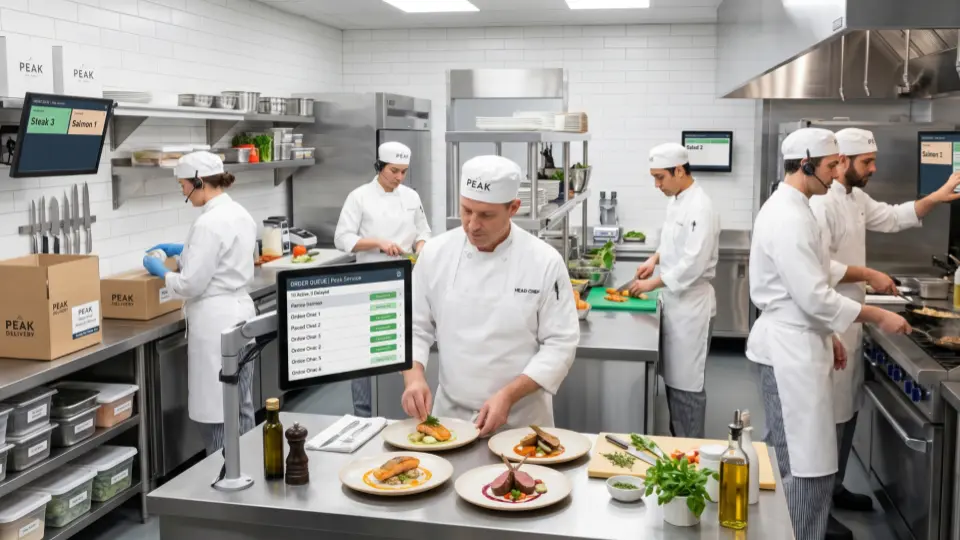
Technology provides the structure necessary to sustain operational culture, especially as kitchens scale and complexity increases.
Centralized order management
Managing multiple platforms without a unified system creates unnecessary complexity and increases the risk of errors.
A centralized approach allows orders to flow through a single system, improving coordination and reducing operational friction.
This is typically supported by tools such as:
- Integrated POS systems
- Digital kitchen display systems
- Automated inventory tracking
Real-time visibility changes behavior
When teams have access to real-time performance data, they can adjust their actions immediately to meet operational targets.
Visibility creates accountability and helps maintain focus during high-pressure service periods.
Data turns culture into measurable performance
Tracking metrics such as ticket times, error rates, and order volume allows operators to evaluate performance objectively.
This data-driven approach ensures that operational culture is not just a concept, but a measurable component of business performance.
Without the right systems in place, even strong teams struggle to maintain consistency under pressure. Explore how the right infrastructure can support your kitchen operations and improve performance.
How to build a high-performance kitchen culture from scratch
Building a strong operational culture requires intentional leadership and a commitment to consistent execution over time.
Define non-negotiable standards
Clear standards establish expectations for every aspect of the operation and ensure that quality is maintained without exception.
These guidelines help teams align quickly and maintain consistency across all shifts.
Train for repetition, not improvisation
Training should focus on reinforcing consistent execution rather than encouraging improvisation during service.
Repetition builds efficiency and reduces the likelihood of errors under pressure.
Measure what actually impacts performance
Focusing on the right metrics allows teams to prioritize what truly drives results, including speed, accuracy, and output.
Regular performance reviews help maintain accountability and support continuous improvement.
Read more: Scaling up food production for growth and efficiency
Operational culture is the hidden engine behind every successful kitchen
The chaos of a busy service can be transformed into a controlled and efficient operation when teams rely on clear systems and defined behaviors.
When execution becomes consistent, kitchens improve speed, reduce errors, and create the foundation for sustainable growth.
Operational culture is ultimately about execution, and the teams that succeed are those that commit to building systems that perform under pressure every day.
Build a kitchen that performs under pressure, not just when conditions are ideal. Explore available locations from CloudKitchens and discover how the right setup can support your operations and help you scale with more flexibility.
DISCLAIMER: This information is provided for general informational purposes only and the content does not constitute an endorsement. CloudKitchens does not warrant the accuracy or completeness of any information, text, images, graphics, links, or other content contained within the blog content. We recommend that you consult with financial, legal, and business professionals for advice specific to your situation.