The convergence of AI and IoT is transforming kitchens into efficiency hubs, where human error decreases and profit margins grow in real-time.
Food tech is the essential tool for navigating the complex landscape of 2026, where rising supply costs and sustainability pressures are no longer optional hurdles.
Managing a modern kitchen is a delicate balancing act between maintaining high culinary quality and ensuring financial survival in a competitive market.
Implementing smart technology isn't about replacing the human talent that makes your brand unique; it is about removing the heavy cognitive load from your team.
By automating repetitive tasks, you eliminate the waste and errors that silently drain your cash flow every single day.
1. Predictive Inventory Management with AI: Ending the "Expired on Shelf" Cycle
Modern software goes far beyond simple counting. It uses automated inventory management to analyze past sales data, local holidays, and even weather patterns.
This predictive power allows you to suggest precise purchase orders that align perfectly with actual demand.
Direct impact on cash flow
By using AI‑enabled inventory systems, operators can prevent capital from being tied up in excess stock and reduce waste. This approach improves cash flow and helps ensure that more of your ingredient spend turns into sold product rather than spoilage.
Many restaurants that implement smart inventory management see meaningful reductions in food waste and inventory holding costs, which frees up working capital and supports more predictable budgeting.
According to Supy, restaurants using digital inventory systems can achieve at least a 20% reduction in food waste, bringing clear financial benefits and resource efficiency.
Automating the FIFO (First In, First Out) method
Digital labeling and tracking systems ensure that your staff always uses the oldest fresh ingredients first without having to manually check every date.
This automation reduces the mental fatigue of the prep team and significantly lowers the risk of serving sub-optimal products.
When the system alerts the team about items nearing their expiration, it allows for proactive menu adjustments or daily specials. This level of control transforms potential losses into revenue opportunities while maintaining the highest standards of food safety and quality.
Real-time Cloud integration with suppliers
Connecting your inventory directly to your suppliers' systems allows for seamless replenishment without the need for manual phone calls or emails. This integration ensures that you are always aware of price fluctuations or shortages before they impact your daily production schedule.
Real-time data sharing creates a transparent supply chain where orders are triggered automatically based on actual consumption levels.
This reduces the administrative burden on managers, allowing them to focus on staff training and customer satisfaction instead of spreadsheets.
2. IoT Monitoring and Cold Chain Sensors
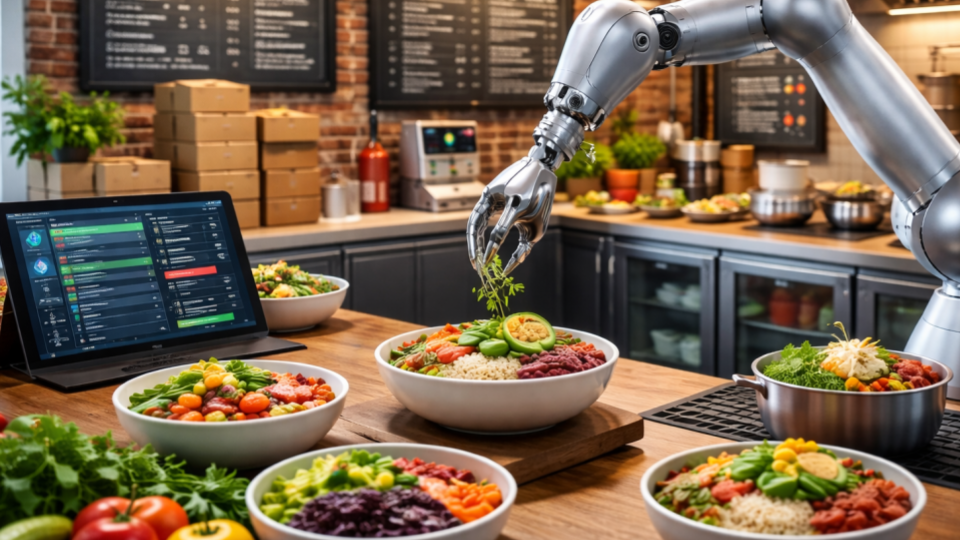
In high-performance commercial kitchens, equipment failure can lead to catastrophic financial losses in a matter of hours. IoT monitoring systems provide a digital safety net by constantly tracking the health of your most critical hardware through specialized sensors.
Reducing loss of high-value ingredients
Sensors that alert your smartphone if a walk-in freezer temperature rises by even two degrees can save thousands of dollars in inventory.
These real-time notifications allow your team to react immediately, moving stock or calling for repairs before the food reaches a dangerous temperature.
This constant vigilance is especially vital for premium ingredients like seafood or aged meats that require strict climate control. By removing the human element from temperature logging, you ensure that your data is accurate, consistent, and always available for review.
Predictive maintenance for kitchen hardware
IoT devices can detect unusual vibration patterns or power surges in ovens and dishwashers before the machine actually breaks down. This allows you to schedule maintenance during off-peak hours, avoiding the chaos of a mid-service equipment failure that halts production.
Predictive alerts extend the lifespan of your expensive kitchen assets by ensuring they always operate within their optimal parameters.
Small adjustments made early are significantly cheaper than emergency repairs or the total replacement of a neglected industrial appliance.
Automated health code and safety compliance
Digital logs replace the old-fashioned clipboard, automatically recording temperature checks and cleaning schedules for health inspectors. This ensures that your kitchen is always "audit-ready" and reduces the stress associated with unexpected regulatory visits or safety certifications.
Platforms like CloudKitchens already integrate ready-to-use infrastructure with built-in monitoring to mitigate these risks effectively.
Having a centralized dashboard for all safety metrics provides peace of mind and a clear paper trail for insurance and legal requirements.
3. Kitchen Display Systems (KDS) with Smart Routing
The era of paper tickets is coming to an end, as 2026 food tech trends favor fully integrated Kitchen Display Systems. These digital hubs organize preparation sequences so that every component of a complex order is finished at the exact same moment.
Synchronizing prep times (Burger vs. Fries)
A smart KDS calculates exactly when to start the fries so they don't sit under a heat lamp while the burger finishes on the grill. This synchronization ensures that the customer receives a meal where every element is at its peak temperature and texture.
By managing these micro-timings automatically, the system reduces the need for a dedicated "expo" person to shout orders constantly.
The kitchen becomes a quieter, more focused environment where chefs can concentrate on the craft of cooking rather than the stress of timing.
Reducing communication errors between FOH and BOH
Digital orders go straight from the customer or server to the correct station, eliminating the risk of lost tickets or misinterpreted handwriting.
Any modifications or allergy alerts are highlighted in bold colors, ensuring they are never missed by the line cooks during a rush.
This clarity reduces the number of "re-fires" caused by simple communication breakdowns, which directly saves on ingredient costs and labor.
When the front and back of the house are perfectly synced, the overall guest experience improves, leading to better reviews and repeat business.
Analyzing production line bottlenecks
KDS data allows you to see exactly which stations are struggling during peak hours and which ones have idle time.
With clear visibility into operations, managers can make informed decisions about kitchen layout or staffing levels for specific shifts, for example, adjusting prep stations or reallocating cooks to balance workload more effectively.
Industry research shows that many foodservice operators view technology and automation as essential to improving efficiency.
According to Gitnux, 95 % of restaurant owners agree that technology improves overall operational efficiency, and 60 % of quick‑service restaurants already use digital inventory management systems to help streamline workflows and reduce manual tasks.
4. Sustainability Software and Data Upcycling
Implementing restaurant sustainability tech is no longer just about 'being green'; it is now a vital strategy for reducing food waste through technology.
Modern software helps you track what is being thrown away and why, turning trash into actionable business intelligence.
Real-time waste measurement
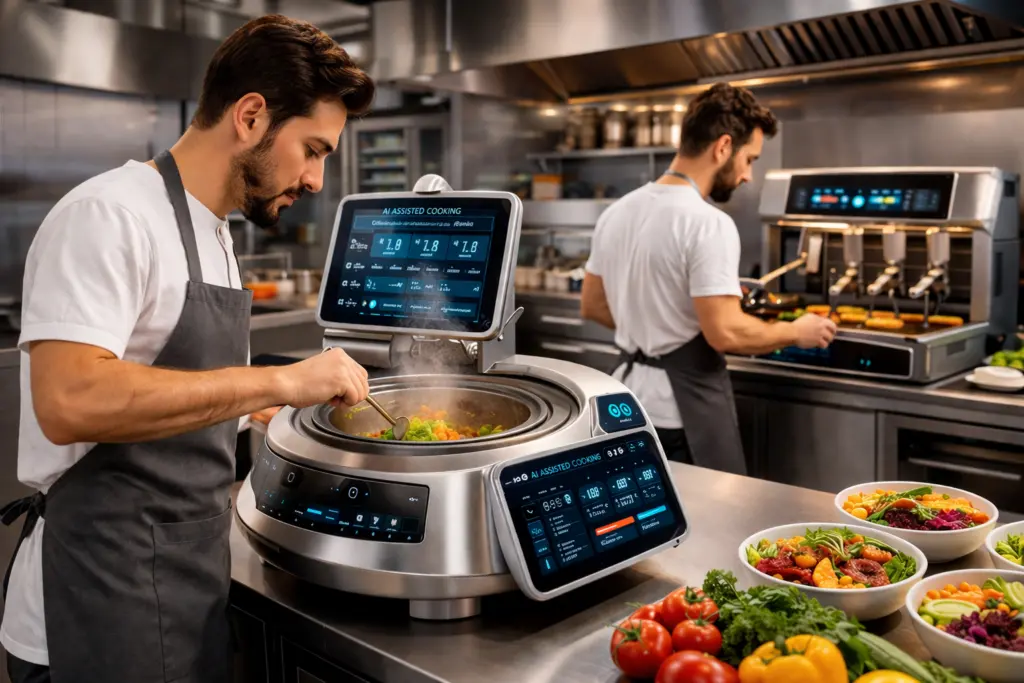
Smart scales and cameras can categorize and weigh every scrap of food that enters the bin, providing a daily report on your most wasted items.
If you notice a high proportion of prep-lettuce being discarded, you can adjust your ordering or improve your chopping techniques.
This granular level of detail helps identify patterns that were previously invisible to the naked eye during a busy service. Understanding your waste is the first step toward eliminating it, which directly inflates your bottom line without needing to sell a single extra dish.
Menu engineering based on actual consumption
By comparing sales data with waste data, you can identify dishes that are popular but often left half-eaten by customers. This might suggest that your portion sizes are too large or that a specific side dish isn't resonating with your target audience.
Adjusting your menu based on these insights allows you to optimize your ingredient spend and focus on the items that drive the most profit. Data-driven menu engineering ensures that your kitchen is always producing exactly what the market wants to consume.
Strengthening ESG and brand image
Modern consumers are increasingly loyal to brands that demonstrate a real commitment to environmental and social governance (ESG). Tracking your carbon footprint or water usage with the right software provides the data to tell your sustainability story authentically.
This transparency builds trust with your community and can even open doors to green business grants or tax incentives.
A sustainable kitchen is an efficient kitchen, and in 2026, efficiency is the ultimate hallmark of a professional operation.
Shifting toward a data-driven kitchen is the most effective way to scale production while maintaining strict quality control.
By embracing these four pillars of food tech, you are not just upgrading your equipment; you are future-proofing your entire business model against the uncertainties of the global market.
The future of food production won't wait. Want to see how a Ghost Kitchen equipped with the latest Food Tech can triple your efficiency? Reserve your tour today and cook smarter, faster, and at scale.
DISCLAIMER: This information is provided for general informational purposes only and the content does not constitute an endorsement. CloudKitchens does not warrant the accuracy or completeness of any information, text, images/graphics, links, or other content contained within the blog content. We recommend that you consult with financial, legal, and business professionals for advice specific to your situation.