The Strategic Foodservice Leasing Guide: Why “Invisible” Spaces Offer the Highest ROI for Your Operation.
For decades, foodservice real estate followed a simple rule: visibility equals value. Being on a busy street, with signage and foot traffic, was considered essential. In the 2026 U.S. market, that assumption no longer holds.
Today, the most valuable delivery location is not where people walk by. It is where food can leave the kitchen faster. For catering, meal prep, CPG, and delivery-first brands, street access has shifted from a competitive advantage to a real estate liability.
What matters now is logistics speed, proximity to demand, and operational efficiency inside the kitchen. This shift is redefining how operators evaluate a commercial kitchen for rent and how food service leases should support growth.

The Efficiency Gap: Storefronts vs. Strategic Hubs
Foodservice real estate no longer delivers value in the same way it once did. As off-premise demand grows, the performance gap between storefront locations and logistics-driven hubs becomes more visible.
Understanding this difference is essential when evaluating where your operation should actually be based.
The Hidden Cost of “Main Street” Visibility
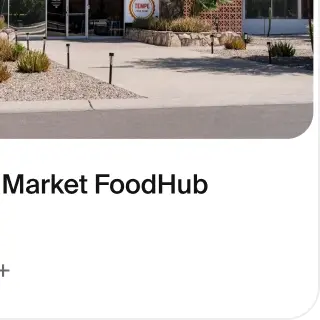
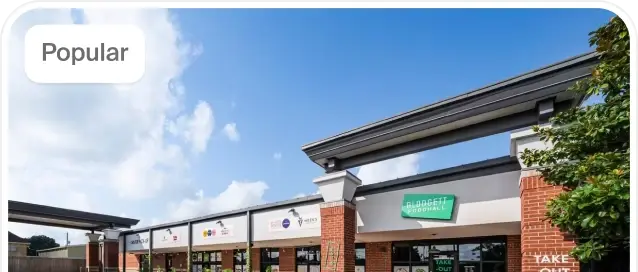
Retail storefronts carry premium rents. That premium often pays for windows, signage, and pedestrian exposure. For production-focused food businesses, these elements rarely drive conversion. Delivery orders originate online.
Catering clients care about reliability, not curb appeal. As a result, a storefront can increase fixed costs without improving output or revenue.
Why Industrial-Flex Space Is the New Gold Standard for Foodservice
Industrial-flex space offers layouts designed for production, not presentation. These environments adapt more easily to changes in volume, menus, and operating hours.
For foodservice operators, this flexibility supports a smaller operational footprint and better use of square footage. Strategic hubs consistently outperform traditional retail spaces in throughput and adaptability.
Reallocating CAPEX from Decor to Operational Technology
In a storefront model, capital is often spent on dining rooms and finishes. In a strategic delivery location, investment shifts toward kitchen efficiency, workflow optimization, and production technology. This reallocation supports higher output and more predictable costs, which is critical for scaling.
Explore our portfolio of strategic commercial kitchen spaces across the US.
The Technical Infrastructure of a High-Performance Lease
Beyond location, infrastructure determines how efficiently a food business can operate. Power capacity, ventilation, maintenance, and compliance all influence long-term performance.
This is where many traditional leases reveal structural limitations that directly affect scalability.
Power, Gas, and Ventilation: The “Permit Hell” of Traditional Retail
Street-level retail spaces are rarely designed for intensive food production. Retrofitting them to meet foodservice requirements often involves complex permitting for gas lines, ventilation, and fire suppression.
These delays slow market entry and increase upfront costs. Industrial-flex facilities are better aligned with food-grade infrastructure needs from the start.
Shared Facility Management and Maintenance
In many traditional food service leases, maintenance responsibilities fall heavily on the tenant. CloudKitchens’ model absorbs a significant portion of this operational burden through shared facility management.
This structure helps operators focus on production instead of property issues that do not generate revenue.
Compliance and Zoning in Urban Markets
Zoning and permitting requirements vary by city. Facilities designed specifically for food production reduce uncertainty around compliance. Ready-to-operate environments allow brands to enter key markets without navigating zoning challenges alone.
Industry data supports this shift. The CBRE 2025 U.S. Real Estate Outlook notes that demand for light industrial spaces adapted for urban services is growing faster than traditional retail in major metropolitan areas.
Analyzing Your Best Delivery Location Through Logistics
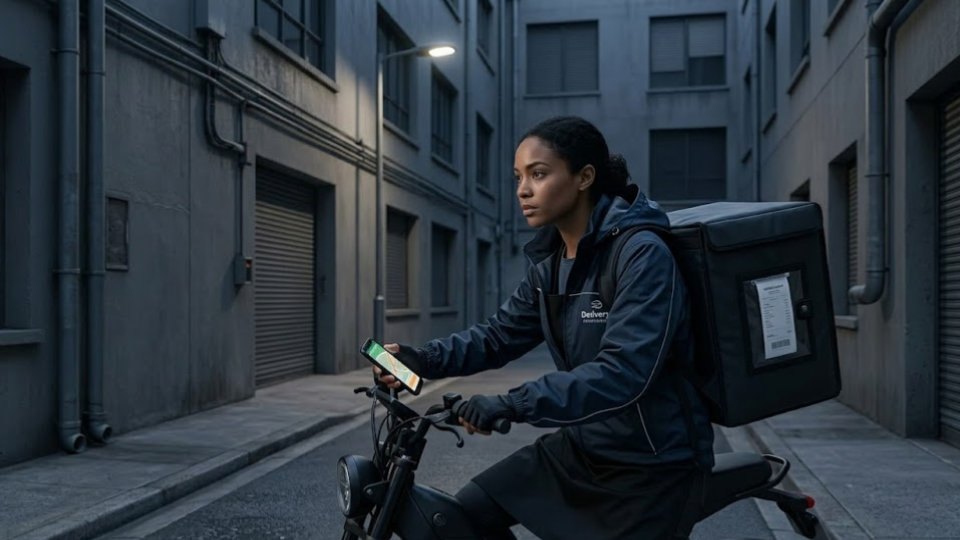
Choosing a delivery location today requires a logistics-first perspective. Speed, access, and demand density matter more than frontage.
By analyzing delivery patterns and operational flow, operators can identify locations that support consistent performance at scale.
Data-Driven Site Selection
Choosing the best spot for a ghost kitchen now depends on delivery demand analysis. Heat maps based on order density provide clearer signals than foot traffic counts. This data-driven approach helps operators lease in zones where demand already exists.
Proximity to the 15-Minute Delivery Radius
Speed matters. Being closer to customers reduces delivery times and improves order reliability. A strategic delivery location supports a tighter delivery radius, which benefits customer experience and courier efficiency.
Courier Flow and Loading Dock Optimization
From a logistics perspective, side access, loading zones, and courier flow are more important than a front-facing entrance. Efficient ingress and egress reduce congestion and support higher order volumes. These features define high-performance delivery hubs.
This trend is reinforced by industry research. Coverpoint’s Foodservice Trends 2025 report highlights continued growth in off-premise sales and its impact on how operators define a productive location.
How to Lease the Future of Foodservice Today
As real estate requirements evolve, so do leasing models. Modern foodservice operators need flexibility, repeatability, and lower exposure to long-term risk. Strategic leasing structures are becoming a central component of sustainable growth.
Bypassing the Five-Year Commercial Lease Trap
Traditional food service leases often require long-term commitments. Flexible, service-based leasing models reduce long-term exposure and allow brands to adjust as demand shifts. This approach supports asset-light growth without locking operators into inflexible real estate decisions.
Multi-Unit Expansion Across Cities
Standardized hubs make it easier to replicate operations across markets. Expanding into multiple cities becomes a matter of selecting new delivery locations rather than rebuilding infrastructure from scratch. Timelines vary by market, but the model supports faster replication than traditional storefront expansion.

CloudKitchens as a Strategic Real Estate Partner
CloudKitchens positions itself as more than a landlord. It provides food-grade real estate designed around logistics, compliance, and scalability. This model aligns with broader industry trends.
The National Restaurant Association’s State of the Industry report points to off-premise and delivery as long-term growth drivers shaping real estate decisions.
Final Verdict: Your Real Estate Strategy as a Competitive Advantage
In 2026, foodservice success depends on separating visibility from efficiency. Being seen on the street no longer defines performance. Fulfillment speed, logistics access, and operational control do.
A strategic delivery location is a competitive asset. CloudKitchens represents a shift toward real estate designed for how food businesses actually operate today. Not as a storefront, but as infrastructure.
Don’t sign a traditional lease until you see our hubs. Contact a CloudKitchens real estate expert and discover how to position your business in the most strategic delivery locations in the US.
DISCLAIMER: This information is provided for general informational purposes only and the content does not constitute an endorsement. CloudKitchens does not warrant the accuracy or completeness of any information, text, images/graphics, links, or other content contained within the blog content. We recommend that you consult with financial, legal, and business professionals for advice specific to your situation.