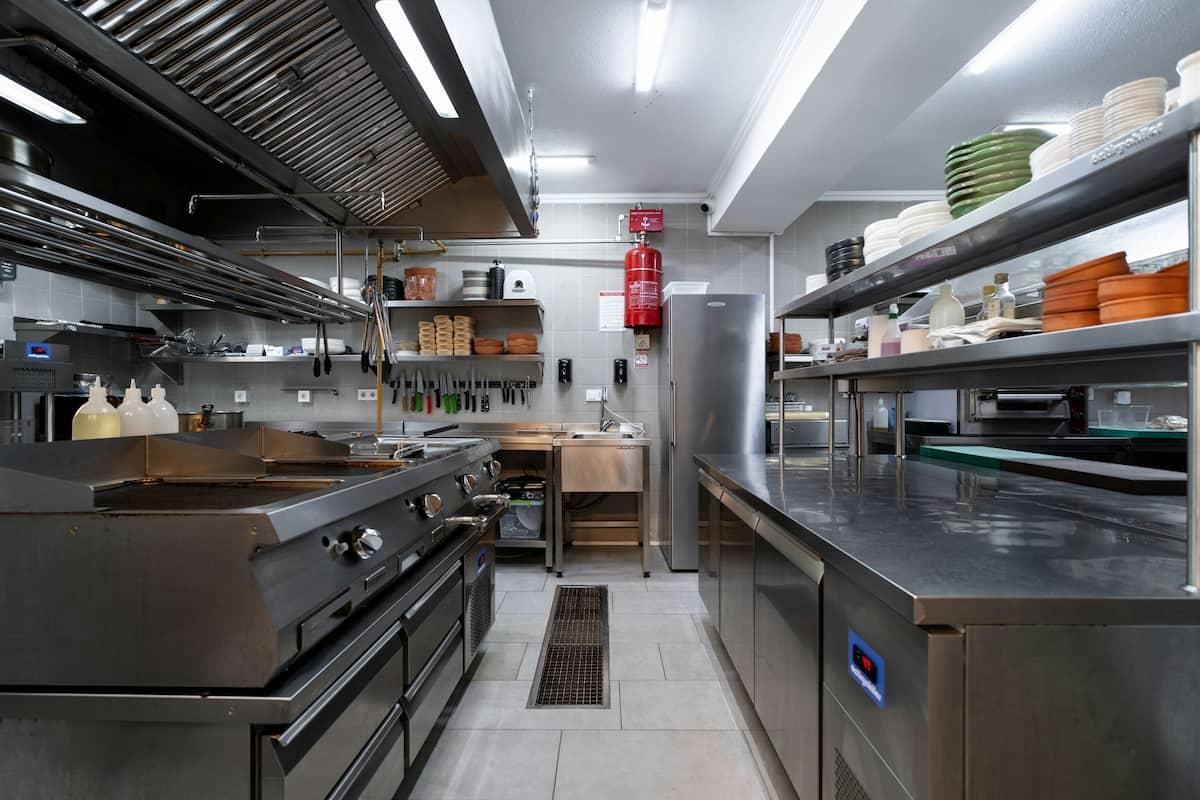
Scaling in a wholesale kitchen presents opportunities for increased revenue, but it also comes with higher operational costs. Managing expenses effectively is crucial to maintaining profitability while expanding your food business.
In this guide, we’ll explore key strategies to reduce wholesale kitchen costs while scaling, from smart pricing methods to efficient operational practices.
How to calculate a price for wholesale distributors
Determining the right wholesale price is essential for profitability. Setting a price too low can lead to financial losses, while pricing too high can drive potential buyers away. A well-calculated price ensures sustainability while remaining competitive in the market. Here’s how to calculate an optimal wholesale price:
- Determine the cost of goods sold (COGS):
- Factor in overhead costs:
- Set a profit margin:
- Research competitor pricing:
- Consider bulk discounts:
- Evaluate perceived value:
- Continuously monitor and adjust pricing:
By implementing these pricing strategies, wholesale businesses can ensure sustainable growth while keeping costs manageable.
Read more: How Ghost Kitchens can boost your restaurant’s profitability
Tips to reduce costs in a wholesale kitchen while scaling
As your wholesale kitchen scales, keeping costs under control becomes a priority. Below are strategies to optimize expenses without sacrificing quality.
Optimize ingredient sourcing
Establish long-term relationships with suppliers to negotiate better prices and secure bulk purchase discounts. Leverage economies of scale by ordering larger quantities of ingredients, which can lower the per-unit cost. Furthermore, working closely with local suppliers can reduce transportation costs and help ensure ingredient freshness.
Implement inventory management systems
Use inventory management software to track stock levels, expiration dates, and order trends. This can help reduce food waste, prevent overstocking, and ensure you don’t run out of critical ingredients during peak demand periods. Monitoring inventory in real time can also prevent unnecessary emergency orders, which often come with higher costs.
Read more: 5 Restaurant Inventory Management Best Practices
Streamline labor costs
As you scale, it's important to focus on labor efficiency. Implement automated systems for order processing and kitchen workflows to reduce reliance on manual labor. Additionally, invest in staff training to increase productivity and ensure that employees are working at optimal efficiency.
Focus on portion control
Consistently applying portion control standards ensures that food waste is minimized and customers receive uniform portions, reducing food costs and increasing customer satisfaction. That’s why having standardized portion sizes also allows you to more accurately forecast ingredient needs and manage inventory more effectively.
Invest in energy-efficient equipment
As kitchen volumes increase, so does the energy demand. Upgrading to energy-efficient appliances can help reduce operational costs, such as electricity and water consumption, while still maintaining high-quality food production. Look for equipment with energy-saving certifications and consider how each new piece of machinery impacts your energy usage.
Utilize technology for cost analysis
Leverage cloud-based systems and analytics tools to monitor and analyze key cost drivers. These platforms can track your expenses, from raw materials to labor, and provide insights that allow you to make data-driven decisions to reduce costs across your operation. Use software that integrates with your kitchen management systems to streamline operations and optimize performance.
Negotiate with packaging suppliers
As you scale, the need for packaging increases. Don’t overlook the potential to reduce costs by negotiating with your packaging suppliers for bulk discounts. Switching to more cost-effective, sustainable packaging options can also reduce both your expenses and your environmental footprint.
Read more: How unique packaging can elevate your customers experience
Reduce waste through lean practices
Adopt lean kitchen practices to reduce waste and improve productivity. This includes training your team to minimize food waste by using every part of the ingredient (e.g., stems, seeds, etc.), organizing workstations to maximize space and minimize unnecessary movements, and improving the accuracy of food prep to prevent spoilage.
Maintain equipment regularly
Regularly maintaining kitchen equipment can help extend its lifespan and improve efficiency, thus preventing costly repairs or replacements. Schedule routine servicing for appliances like ovens, refrigerators, and mixers to ensure they are running at peak performance, which in turn saves energy and reduces operational downtime.
How CloudKitchens can help you to reduce costs
CloudKitchens provides a cost-effective way to scale your food business while optimizing efficiency. Our commercial kitchen spaces come with flexible kitchen layouts, where you can customizable spaces to accommodate your growing production needs. You can count on advanced technology with integrated digital solutions to streamline order management and kitchen workflows.
Beyond all that, we have our kitchens in strategic locations to enhance delivery efficiency and reduce transportation costs, and you can count also with our lower costs by leveraging shared kitchen infrastructure and maintenance services.
Ready to scale efficiently? Contact CloudKitchens today and explore how our high-volume kitchen solutions can help your business thrive.
DISCLAIMER: This information is provided for general informational purposes only and the content does not constitute an endorsement. CloudKitchens does not warrant the accuracy or completeness of any information, text, images/graphics, links, or other content contained within the blog content. We recommend that you consult with financial, legal, and business professionals for advice specific to your situation.