How traditional home-style meal services are evolving into scalable, efficient, and sustainable centralized production operations.
The demand for daily meal delivery continues to grow as consumers seek convenience, nutrition, and reliability. What once began as small, home-based cooking operations has evolved into structured businesses serving hundreds or thousands of meals per day.
Traditional tiffin services were built on trust, routine, and authenticity. Today, that same model is adapting to modern consumer expectations. Customers searching for a tiffin service near me want more than proximity. They expect consistency, hygiene, subscription flexibility, and on-time delivery.
Centralized production hubs are emerging as the operational backbone behind this transformation. By consolidating preparation, logistics, and quality control into a structured environment, operators can scale without losing the essence of home-style cooking.
This shift represents an opportunity. Small operators can transition from neighborhood providers into sustainable food businesses with repeatable systems and scalable infrastructure.
What Is a Tiffin Service?
A tiffin service is a subscription-based meal delivery model that provides freshly prepared, home-style meals to customers on a recurring schedule.
Traditionally rooted in South Asian culture, it is designed to deliver daily lunches or dinners in portioned containers directly to homes or workplaces.
Definition and Origins
The word “tiffin” historically refers to a light meal carried in stacked containers. In India and neighboring regions, families and workers relied on local cooks who prepared meals from home kitchens.
The traditional tiffin business model was simple, built around preparing meals at home, delivering them within a limited local radius, and operating with minimal structure or formal systems in place.
Modern operations differ significantly. Today’s providers use centralized tiffin production facilities, standardized menus, and subscription billing systems. What was once informal is now structured and scalable.
How It Works Near You
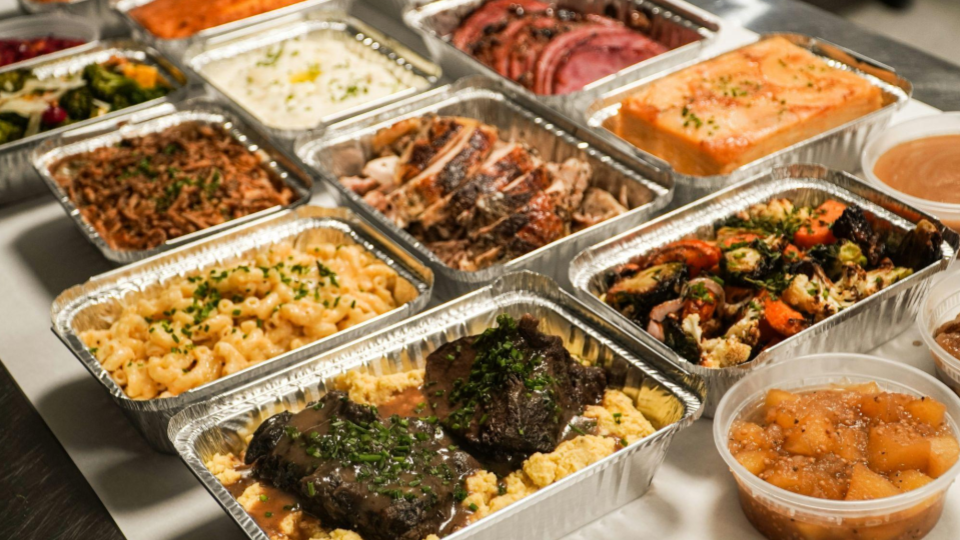
When users search for “tiffin service near me”, they typically look for a reliable daily meal subscription in their area. Most services operate on weekly or monthly plans.
Customers choose:
- Meal type (vegetarian, high-protein, regional cuisine)
- Delivery schedule
- Subscription duration
Meals are prepared in a meal delivery central kitchen and delivered through optimized routes. Payments are often structured as recurring subscriptions, creating predictable demand that supports more efficient scaling of the meal service business.
Cultural Context: The Dabbawala System
One of the most recognized examples of organized meal delivery is the Mumbai Dabbawala system. Originating in Mumbai, this network transports thousands of home-cooked lunches daily using a highly coded sorting process.
While traditional in structure, the system demonstrates how logistics precision and operational discipline can power bulk meal delivery at scale.
Why Centralized Production Hubs Matter for Scaling
Centralized kitchens outperform scattered small kitchens because they create operational control.
A kitchen production hub reduces variability, improves cost visibility, and simplifies food delivery logistics.
Operational Efficiency and Standardization
Operational efficiency in a tiffin business is achieved through the implementation of Standard Operating Procedures (SOPs). In a centralized hub, every step, from vegetable prep to final packaging, is timed and measured to maximize output.
This batch production approach is essential for maintaining tiffin subscription pricing that remains competitive in the local market.
Standardization also extends to the recipes themselves, ensuring that a meal delivered on Monday tastes exactly the same as one delivered a month later.
By reducing variability, businesses can build a loyal customer base that trusts the brand for their daily nutritional needs. This reliability is a cornerstone of any food business scaling strategy aimed at long-term market dominance.
Cost Optimization at Scale
One of the primary advantages of centralized tiffin production is the ability to optimize costs through bulk meal delivery strategies.
Purchasing ingredients in large quantities from wholesalers instead of retail stores can significantly improve margins. Furthermore, centralized utilities and labor costs are spread across a much larger number of units, increasing overall tiffin service profitability.
Logistics costs are also optimized when all meals originate from a single point or a few strategic hubs. Instead of multiple drivers making individual trips, a centralized system allows for sophisticated route planning that minimizes fuel consumption and time.
This efficiency is vital for maintaining a sustainable food business in an era of rising operational expenses
Hygiene, Compliance, and Quality Control
A centralized kitchen allows:
- Structured cleaning routines
- Controlled storage environments
- Centralized monitoring
- Clear quality checkpoints
This reduces operational risk and supports sustainable food business practices.
Core Components of a Scalable Tiffin Business
Building a scalable tiffin business requires more than increasing daily order volume. Growth depends on structured systems, operational clarity, and repeatable processes that maintain quality while expanding capacity.
From menu design and production flow to logistics, pricing, and technology integration, each component must work together to support efficiency and profitability.
A well-defined operational foundation allows a tiffin service to move from small-scale delivery to a sustainable, growth-oriented model.
Menu Engineering for Bulk Production
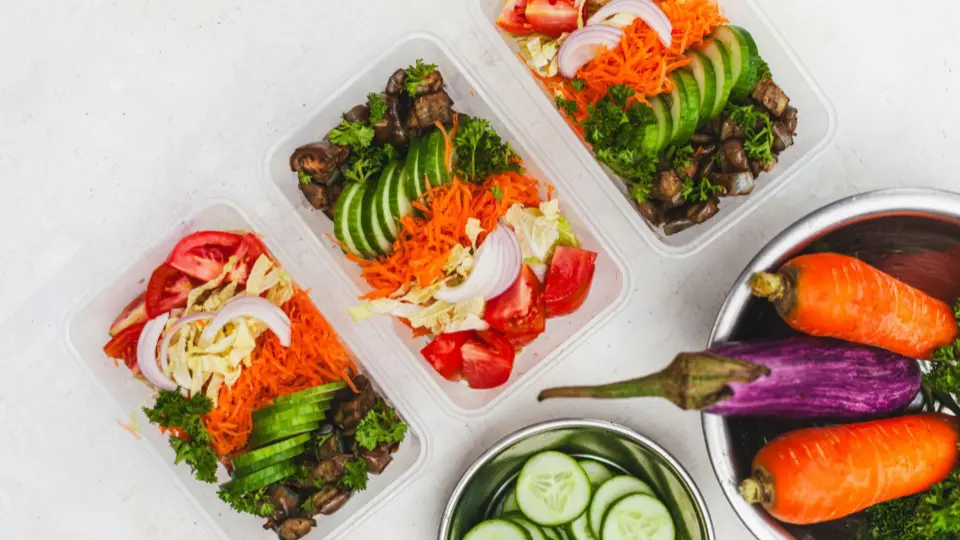
Scaling requires designing menus that work in high volume.
Best practices include:
- Ingredient overlap across dishes
- Balanced prep timing
- Simplified assembly workflows
- Limited but rotating menus
This production logic reduces waste and supports efficient meal prep business operations.
Logistics and Delivery Optimization
Delivery is one of the most significant cost drivers in a tiffin operation, directly affecting fuel expenses, labor efficiency, and customer satisfaction.
To maintain healthy margins, operators must structure deliveries strategically. Route clustering helps group nearby orders to reduce travel distance and idle time.
Time-window grouping ensures that deliveries scheduled within similar hours are dispatched together, improving operational flow.
Increasing delivery density per neighborhood further lowers the cost per drop, as more meals are delivered within the same geographic area. Together, these practices create a more efficient and scalable logistics system.
Subscription Pricing Models
Tiffin subscription pricing typically includes:
- Daily meal subscription
- Weekly bundles
- Monthly plans
- Corporate meal programs
Bundled pricing improves predictability. It also supports better forecasting and food business scaling strategy.
Technology and Software for Growth
Technology enables the transition from informal cooking service to cloud kitchen tiffin model.
Order Management Systems
Order management tools centralize daily meal counts, customer preferences, and delivery schedules into a single system, while also tracking inventory levels in real time.
By consolidating these operational elements, businesses reduce manual errors, improve production planning, and maintain better control over fulfillment accuracy.
CRM and Retention Systems
Subscription businesses depend on retention. CRM systems help:
- Monitor churn
- Automate reminders
- Collect customer feedback
- Launch upsell campaigns
Retention directly influences long-term profitability.
Payments and Automation
Recurring billing systems enable:
- Automated subscription renewals
- Digital invoicing
- Customer dashboards
- Integrated analytics
Automation reduces administrative overhead and improves cash flow predictability.
Operational Metrics That Drive Profitability
Growth without measurement creates risk. To build a profitable and scalable tiffin operation, it is essential to track the right performance indicators.
Clear operational metrics provide visibility into costs, efficiency, and customer behavior, enabling informed decisions that protect margins and support long-term stability.
Cost Per Meal Calculation
Cost per meal represents the total expense required to produce one portion and serves as the baseline for all pricing decisions.
It is calculated by dividing the sum of total ingredient costs, direct labor, packaging, and allocated overhead by the total number of meals produced in a given period.
Ingredients include all raw food inputs, labor covers kitchen staff directly involved in preparation and packing, packaging accounts for containers and delivery materials, and overhead reflects fixed expenses such as rent and utilities distributed per unit.
For example, if total daily production costs are $2,000 and 500 meals are prepared, the cost per meal is $4.00. Tracking this figure consistently helps define pricing thresholds, protect margins, and identify inefficiencies as the operation scales.
Delivery Time & Fulfillment Rate
On-time delivery impacts customer retention. Tracking fulfillment rate and average delivery time reduces operational friction.
Precision supports scaling meal service business operations sustainably.
Customer Retention and Churn
Subscription businesses depend on recurring revenue. Monitoring churn rate, lifetime value, and average subscription duration provides clarity on growth sustainability.
Retention improvements often have greater financial impact than new customer acquisition.
Common Challenges and Strategic Solutions
Scaling a tiffin service brings operational complexity. As order volume grows, so do challenges related to logistics, competition, consistency, and cost control.
Identifying these friction points early allows operators to implement structured solutions that support sustainable expansion rather than reactive problem-solving.
Competing with Food Delivery Apps
Marketplace platforms offer visibility but compress margins. A direct-to-consumer meal plan delivery service model preserves pricing control and brand identity.
Managing Logistics Complexity
As volume grows, routing complexity increases. Centralized hubs simplify dispatch management and reduce fragmented delivery patterns.
Maintaining Authentic Taste at Scale
Standardization does not require sacrificing identity. Clear recipes, portion controls, and training systems preserve the essence of home cooked meal delivery while ensuring repeatability.
What’s Working Now
Several trends are shaping the modern tiffin business model:
The online food delivery and takeaway market continues to expand significantly. In 2024 and 2025, this sector is projected to reach around USD 91 billion in revenue in 2025, driven by rising smartphone use and greater accessibility of food delivery apps worldwide.
Models that combine convenience with subscription-style planning are gaining traction, with subscription-based delivery services seeing user growth of roughly 30% as more consumers value regular meal scheduling and cost predictability over one-off orders.
Within the broader delivery ecosystem, ghost kitchens and delivery-only restaurant formats are becoming a dominant force.
By 2025, the global cloud kitchen market is expected to be valued in the hundreds of billions of dollars, with rapid growth driven by convenience-driven consumer behavior and lower operational barriers compared to traditional dine-in setups.
Meal subscription and prepared meal solutions are also part of this shift. Market research shows that subscription-based meal delivery options now represent a major portion of consumer engagement, with service models that emphasize customization, health-oriented menus, and recurring plans continuing to attract a broad base of repeat customers.
Together, these trends reflect a wider consumer preference for convenient, tech-enabled, and predictable meal services, which form an ideal environment for scaling tiffin services through centralized production hubs and modern logistics systems.
The Next Phase of the Tiffin Business
The traditional tiffin service is no longer limited to small, neighborhood operations. With centralized production, structured logistics, and modern software, it can evolve into a scalable brand.
Operators who move early can transition from reactive daily cooking to strategic production planning. The opportunity lies in combining authenticity with systems.
If you are planning to launch or expand a tiffin service operation, consider building it on infrastructure designed for growth.
Explore centralized kitchen solutions with CloudKitchens and discover how private commercial kitchen units can support your next phase of expansion.
DISCLAIMER: This information is provided for general informational purposes only and the content does not constitute an endorsement. CloudKitchens does not warrant the accuracy or completeness of any information, text, images/graphics, links, or other content contained within the blog content. We recommend that you consult with financial, legal, and business professionals for advice specific to your situation.